

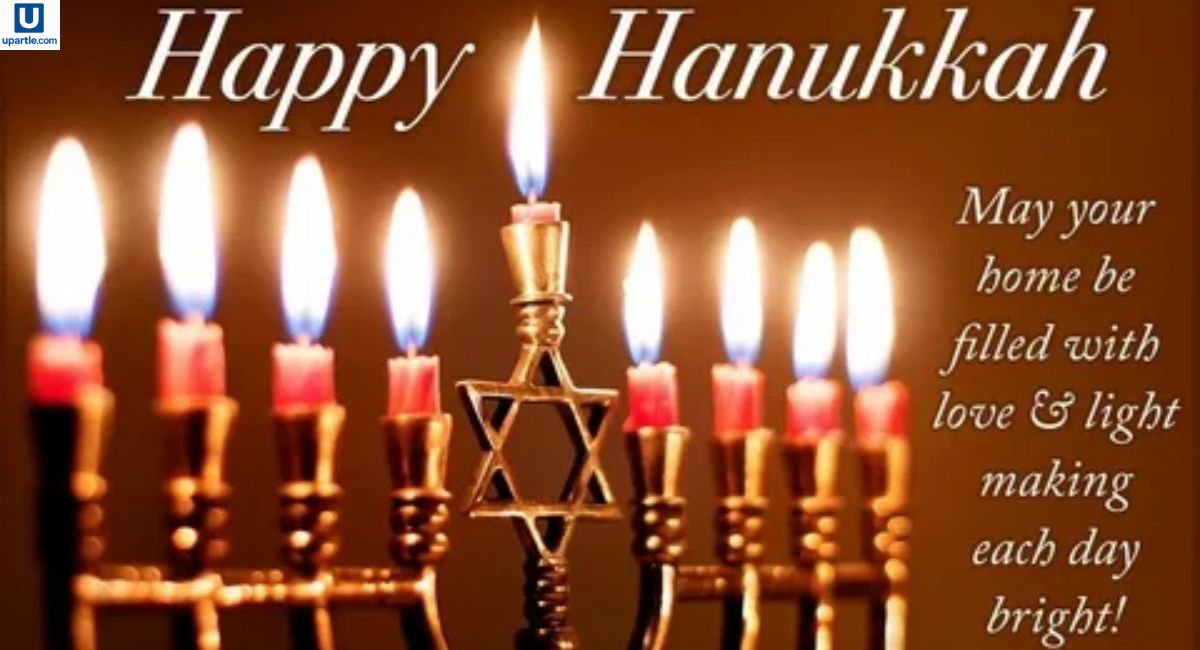
Chanukah is a joyful Jewish holiday that celebrates faith, miracles, and family traditions. Central to this celebration are the Chanukah blessings, recited during the lighting of the menorah each night. These menorah prayers connect families to the spiritual significance of Hanukkah while honoring the Chanukah miracles performed for the Jewish people.
Whether celebrated at home or during public menorah lighting ceremonies, these prayers bring meaning, gratitude, and unity to the festivities. Children and adults alike participate in singing the Hanerot Halalu hymn, spinning the dreidel, and enjoying festive foods. Understanding these blessings deepens the experience and strengthens Hanukkah family traditions, making each night truly special.
First Hanukkah Blessing
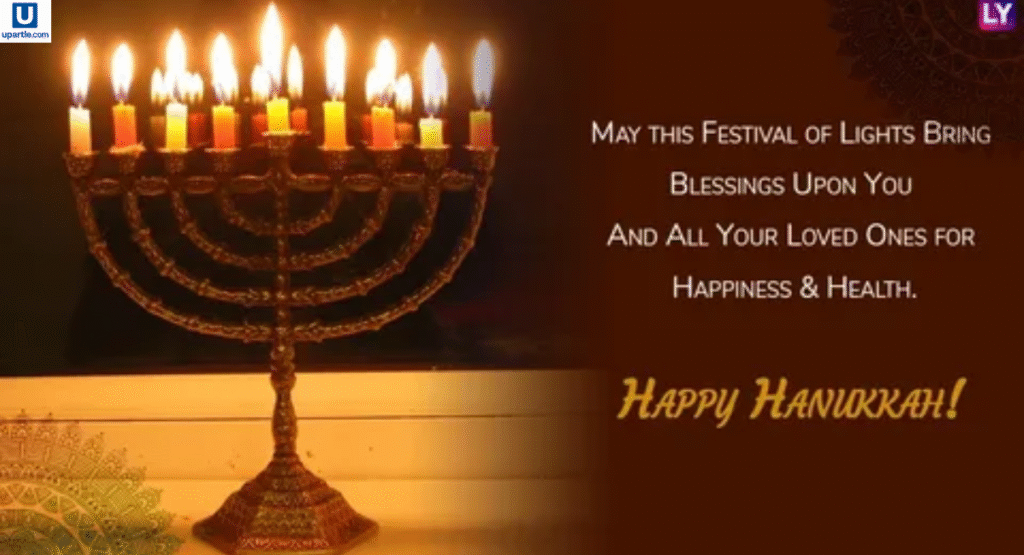
The first Hanukkah blessing is recited as you hold the Shamash candle before lighting the menorah. This prayer thanks God for sanctifying the Jewish people with commandments. It marks the start of the eight-day festival and is central to Hanukkah family traditions. This blessing for children and adults alike emphasizes gratitude and faith. Families often begin with this prayer at the table or in front of the menorah, creating a sense of reverence and unity.
Reciting this prayer reinforces the spiritual significance of Hanukkah by highlighting God’s guidance and protection. In large gatherings, it may be included during public menorah lighting ceremonies, allowing communities to join together in shared celebration. Understanding the meaning behind this first night blessing makes the lighting ceremony more than a ritual—it becomes a moment of reflection and joy.
Second Hanukkah Blessing
The second Hanukkah blessing acknowledges the miracles God performed for the Jewish ancestors. It recalls the triumph of light over darkness and the Chanukah miracles that sustained faith and hope. Families recite this prayer as part of Jewish holiday celebrations, emphasizing divine intervention in history. Children and adults alike learn to appreciate these traditions, which enhance celebrating Chanukah at home.
This blessing often accompanies traditional Hanukkah songs and singing the Hanerot Halalu hymn after lighting. Its repetition strengthens understanding of the holiday’s purpose. Many families include it in a daily prayer routine, ensuring every night honors the story and fosters gratitude.
Third Hanukkah Blessing
The Shehecheyanu blessing is recited only on the first night of Hanukkah. This prayer thanks God for allowing the family to reach this special occasion and to witness new experiences. It highlights life, continuity, and the spiritual significance of Hanukkah. Families use it to reflect on gratitude and blessings, making it a deeply personal part of the celebration.
This prayer is sometimes overlooked in casual celebrations but is essential for observing the full tradition. It serves as a bridge between the first night blessing and the ongoing daily menorah prayers. Many communities emphasize this during public menorah lighting ceremonies, reminding participants of the joy in new beginnings and divine protection.
Hebrew Text of Hanukkah Blessings
Presenting the Hebrew text of Hanukkah prayers ensures authenticity and proper pronunciation. The original text preserves tradition and connects families to centuries of practice. Learning these prayers enhances Hanukkah family traditions and gives children a direct experience of Jewish heritage.
Even if you do not speak Hebrew fluently, understanding the words allows for a richer spiritual connection. Families often pair reading the Hebrew text with the English translation of prayers or transliteration of blessings, enabling everyone to participate fully in celebrating Chanukah at home.
Transliteration of Hanukkah Prayers
The transliteration of blessings provides a phonetic guide to pronounce Hebrew words correctly. This is especially helpful for children and newcomers learning how to say Menorah blessings. It ensures accuracy without needing full fluency in Hebrew.
Using transliteration alongside recordings of Menorah blessings allows families to practice and enjoy the ceremony together. This method also supports Jewish holiday celebrations in mixed-language households, bridging the gap between tradition and accessibility.
English Translation of Hanukkah Blessings
Providing the English translation of prayers allows participants to understand the meaning behind each Chanukah candle blessing. It connects spiritual concepts to everyday gratitude and emphasizes the Chanukah miracles. Families can use this translation during celebrating Chanukah at home or in communal ceremonies.
The translation also helps children learn the significance of each prayer. Paired with Hanerot Halalu hymn or the dreidel game, it makes the evening engaging while maintaining the spiritual significance of Hanukkah.
How to Say the Menorah Blessings
Knowing how to say Menorah blessings ensures proper observance. Begin with the first night blessing, proceed with the second Hanukkah blessing, and on the first night, include the Shehecheyanu blessing. Always hold the Shamash candle separately while lighting others.
Following the order of candle lighting from right to left while igniting candles left to right is key. These steps are essential for both home and public menorah lighting ceremonies. This ritual ensures every family observes the Hanukkah menorah lighting instructions accurately.
Recordings of Hanukkah Prayers
Listening to recordings of Menorah blessings helps families master pronunciation and rhythm. Audio guides provide the Hebrew text of Hanukkah prayers, transliteration of blessings, and English translation of prayers, making them accessible to all ages.
Using recordings can also enhance Hanukkah family traditions, allowing children to sing along with the Hanerot Halalu hymn or participate in traditional Hanukkah songs. This method supports learning and maintains the joy of celebrating Chanukah at home.
Related Hanukkah Blessings
Beyond the main three, there are additional prayers like the Hanerot Halalu hymn and blessings for children. These are often sung after lighting and are a way to involve younger participants in menorah prayers.
Incorporating related blessings into celebrations reinforces Chanukah history and story. Families can mix prayers with activities like fried latkes or the dreidel game, enriching the spiritual significance of Hanukkah while fostering joy and learning.
How Many Candles Are Needed for Hanukkah?
Each night, an additional candle is lit until the eighth night. The Shamash candle is used to light the others, placed higher than the rest. The following table summarizes the candle arrangement:
| Night | Number of Candles | Notes |
| 1 | 1 + Shamash | Recite Shehecheyanu |
| 2 | 2 + Shamash | Repeat first and second blessings |
| 3 | 3 + Shamash | Continue blessings |
| 4 | 4 + Shamash | |
| 5 | 5 + Shamash | |
| 6 | 6 + Shamash | |
| 7 | 7 + Shamash | |
| 8 | 8 + Shamash | Final night blessings |
Understanding the order of candle lighting ensures the ceremony is accurate and honors tradition.
Hanukkah Celebration Tips
Celebrating Hanukkah goes beyond lighting candles. Families often enjoy fried latkes, play the dreidel game, and sing traditional Hanukkah songs. Children can participate in blessings for children, enhancing both fun and spirituality.
Practical tips include placing the menorah near a window for visibility during public menorah lighting ceremonies, keeping candles safe, and setting aside time for reflection on Chanukah history and story. Combining rituals, food, and family time strengthens the spiritual significance of Hanukkah and creates lasting memories.
Conclusion:
Celebrating Chanukah with the proper Chanukah blessings enriches the holiday and strengthens family bonds. The menorah prayers and first night blessing remind us of the Chanukah miracles and the resilience of faith. By following the order of candle lighting and reciting the Shehecheyanu blessing, families honor centuries of Jewish holiday celebrations while creating new memories at home. Singing the Hanerot Halalu hymn, playing the dreidel game, and sharing fried latkes make each evening joyful and meaningful. Embracing these traditions ensures that the spiritual lessons of Hanukkah continue to inspire, uniting generations in gratitude, faith, and celebration of the miracle of light.
FAQs:
H2:What blessings do you say on Hanukkah?
You say the First Hanukkah Blessing and Second Hanukkah Blessing each night, plus the Shehecheyanu blessing on the first night.
H2:How to wish for Chanukah?
You can say “Happy Hanukkah” or the Hebrew greeting “Chag Sameach” to share joy and warmth.
H2:What are the three blessings for the first night of Hanukkah?
The three blessings are the First Hanukkah Blessing, Second Hanukkah Blessing, and the Shehecheyanu blessing.
H2:What is the second blessing of Hanukkah?
The Second Hanukkah Blessing thanks God for performing the miracles for our ancestors in those days at this time.
H2:What blessings do you say on the first night of Hanukkah?
On the first night, you recite the First Hanukkah Blessing, Second Hanukkah Blessing, and the Shehecheyanu blessing to mark the occasion.

Welcome to Upartcle! I am Hafiz Ahsan, an SEO and content writer helping people find the best wishes, messages, and quotes for every occasion.