

What is a condolence message?

Writing a professional condolence message for a coworker can feel difficult, especially when emotions are involved and words seem limited. In a workplace, showing care during a loss matters more than saying something perfect. A thoughtful condolence message for coworker helps you express sympathy and offer quiet support without crossing personal boundaries.
Whether you send a note, card, or email condolence message, your goal is to be sincere and respectful. Even a short condolence message can bring comfort and remind your colleague they are not alone. Knowing how to respond in these moments reflects both kindness and strong workplace values.
Why is it important to send a condolence message to a grieving coworker?

Sending a message for grieving coworker matters because it helps build trust and care in the workplace. When you send a condolence message, you support your colleague during pain and loss, which strengthens your connection and reflects strong workplace etiquette.
It also shows that your team values people, not just work. A simple support message for colleague or team support message can bring healing and strength. It improves office support culture and helps everyone feel respected and valued.
Importance & Meaning of a Condolence Message
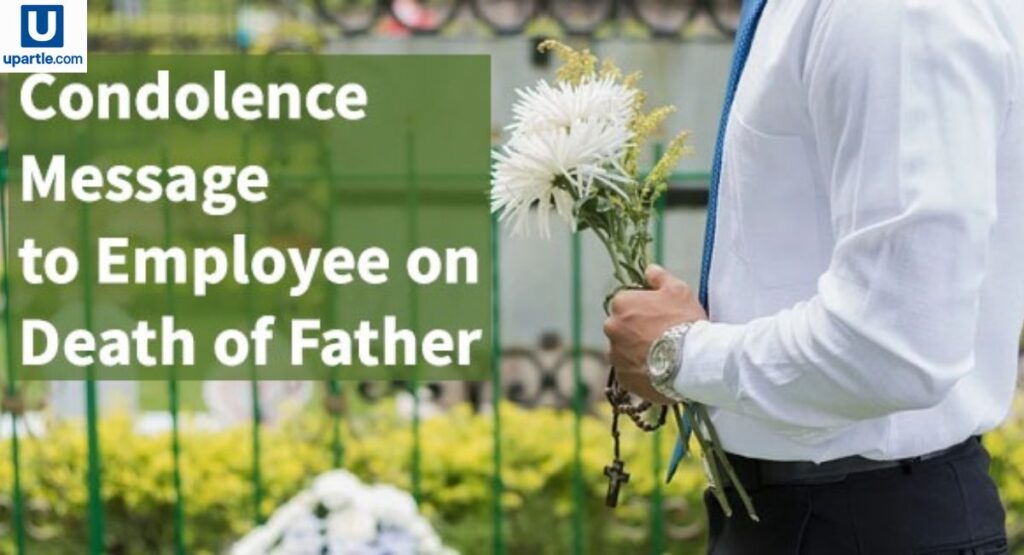
A professional condolence message carries deep meaning. It helps you offer support when words feel hard. Even a simple sympathy message can bring peace and remind the person they are not alone.
It also builds long-term relationships. When you send a bereavement message for coworker, you show care beyond work tasks. This creates a strong bond and improves professional communication within the team.
How to write a condolence message to a colleague (Key Elements)
To write a condolence message, start with kind words like “I’m sorry for your loss.” Good condolence message wording includes honesty and warmth. Always keep your tone soft and respectful.
A strong formal condolence message should acknowledge the loss and gently offer support. If possible, mention the person who passed away. End with a caring line that shows you are there during this difficult time.
Tips for writing condolence messages for coworkers
When you think about what to write in condolence message, keep it simple. A short condolence message for office colleague works best because long messages can feel overwhelming.
Also, match your tone to your relationship. A professional sympathy message for coworker should stay respectful. Avoid complex words and focus on clarity so your message feels natural and sincere.
Condolence messages for specific situations
Different losses need different words. A loss of a parent message is not the same as a loss of spouse condolence message. You should adjust your tone based on the situation.
For example, a sudden death condolence message should acknowledge shock, while a death after long illness message may include peace and rest. A condolence for friend’s death should validate their emotional bond.
Condolence message examples for coworkers
Many people search for condolence message examples because they don’t know what to say when someone dies. A good example is: “I am deeply sorry for your loss. You are in my thoughts.”
Another example of condolence message examples for coworkers is: “Please accept my heartfelt condolences. I am here for you.” These messages are simple yet powerful and provide comfort and reassurance.
Condolence messages for the loss of a parent
A condolence message for colleague loss of parent should show deep care. Losing a parent is very painful, so your words should be gentle and supportive.
You can say, “I am truly sorry for your loss. Please take your time.” This kind of office colleague loss message helps the person feel supported without pressure.
Condolence messages for the loss of a spouse or partner
A loss of spouse condolence message needs extra sensitivity. This type of loss changes life deeply, so your message should focus on care and understanding.
You can send a heartfelt condolence message like, “I cannot imagine your pain, but I am here for you.” This helps the grieving person feel less alone during their journey.
Simple condolence messages for a colleague
Sometimes, a short condolence message works best. Simple words can carry deep meaning and are easier to understand during emotional stress.
A good sympathy note for office colleague could be, “Thinking of you during this time.” These condolences for loss of loved one are brief but meaningful.
When to send a condolence message
Knowing when to send condolence message is important. You should reach out as soon as you hear the news. Early messages show care and attention.
You can also follow up later. Sending a message after death in office days later shows continued support. Timing reflects your sincerity and concern.
What not to write in a condolence message
It is important to know what not to say in condolence. Avoid phrases like “everything happens for a reason.” These are seen as insensitive condolence messages.
Also, avoid advice or comparisons. These are common common condolence mistakes. Instead, focus on kind words and avoid clichés in sympathy message to keep your message genuine.
Helpful Comparison Table for Better Understanding
| Situation | Recommended Message Style | Avoid |
| Loss of parent | Gentle and supportive | Giving advice |
| Sudden death | Acknowledge shock | Over-explaining |
| Workplace loss | Professional tone | Emotional overload |
| Close coworker | Personal touch | Ignoring feelings |
Short Professional Condolence Messages for a Colleague
At work, a condolence message should be brief, respectful, and free of pressure. Your colleague may read it between calls, on a shared screen, or weeks later when they return, so short professional condolence messages are often the kindest choice. Use the original examples below as they are, or add the name of the person who died if you know it.
Short Messages for a Card or Desk Note
- Words feel small right now, but my sympathy for you and your family is very real.
- With sincere sympathy from everyone who works alongside you.
- Please take all the time you need. We are thinking of you.
- Sorry is a small word for a big loss, but it comes with real care.
- Wishing you quiet strength and gentle days ahead.
Professional Condolence Messages for Email, Slack or Teams
- I was very sorry to hear about the loss of your father. Please do not worry about this week’s deadlines; I will keep the project moving. No need to reply.
- Thinking of you today. I have taken over your client calls until you are ready, so please focus on your family.
- I just heard the news and wanted to say how sorry I am. If a coffee, a walk, or simply some space would help when you are back, I am here.
- Please accept my heartfelt condolences. Your work is covered, and your wellbeing comes first.
Condolence Messages From a Manager or the Whole Team
- On behalf of the entire department, please accept our deepest sympathy. Your leave is approved, and we will support a gradual return whenever you are ready.
- The whole team is holding you in our thoughts. We have shared out your tasks, so please rest and grieve without worrying about work.
- We are so sorry for your loss. Our flowers come with a simple message: you matter to us far beyond your role here.
Respectful Subject Lines for a Condolence Email
- Thinking of you
- With deepest sympathy
- Sincere condolences from the team
- No reply needed, just sending support
Whatever format you choose, follow three steps: acknowledge the loss, express sympathy in one sentence, and remove pressure by offering specific help or saying no reply is needed. Avoid asking how the person died, sharing your own grief story at length, or assuming religious beliefs. When unsure, short and sincere is always professional.
If your team is signing a shared card, these sympathy card messages offer more wording ideas for every kind of loss.
Professional Condolence Messages: Common Questions
What is a short professional condolence message?
A short professional condolence message is one to three sentences that acknowledge the loss, express sympathy, and avoid pressure. For example: “Words feel small right now, but my sympathy is real. Take whatever time you need; the team is behind you.†It suits cards, emails, and team chats when you want to be respectful and brief.
What subject line should I use for a condolence email to a coworker?
Choose a calm, clear subject line so your colleague knows what the email is before opening it. Good options include “Thinking of you,†“With deepest sympathy,†or “Sincere condolences from the team.†Avoid urgent or work-related wording, and never combine condolences with project updates or requests in the same email.
How should a manager write a condolence message to an employee?
A manager should express sympathy, confirm practical support, and remove pressure. Mention approved leave, explain that work is covered, and offer flexibility for their return. Keep the tone warm but professional, avoid asking for details about the death, and follow up privately later to see whether they need any extra adjustments.
What do you write if you did not know the person who died?
Focus on your colleague rather than the deceased. A line such as “I did not have the chance to know your mother, but I can see how much she meant to you†is sincere and respectful. Follow it with simple sympathy and, if appropriate, an offer of practical help at work.
Conclusion
Learning how to write a condolence message to a colleague is an important skill. It helps you connect with others in a meaningful way. A thoughtful workplace condolence message can bring comfort during hard times.
Even a few kind words can make a big difference. When you draft condolence email or message, remember your goal is to show empathy, support, and care. That is what truly matters.
FAQs
What should I say in a condolence message to a colleague?
You should express sympathy and keep your words simple and kind. A short condolence message for coworker that shows care is always enough.
How long should a condolence message be?
A short condolence message with 1–3 lines is usually best. Keep it clear, respectful, and focused on offering emotional support.
Is it okay to send an email condolence message?
Yes, sending an email condolence message is acceptable in professional settings. Just make sure your tone is warm and follows workplace etiquette.
What should I avoid writing in a condolence message?
Avoid insensitive condolence messages and phrases that sound generic. Always avoid clichés in sympathy message to keep it genuine.
When should I send a condolence message to a coworker?
You should send a condolence message as soon as you hear the news. Early support shows care during a difficult time.

Welcome to Upartcle! I am Hafiz Ahsan, an SEO and content writer helping people find the best wishes, messages, and quotes for every occasion.